







15 Unquestionably Good Reasons To Be Loving Replacement Door Handles
페이지 정보
작성자 Jonelle 날짜25-03-01 02:30 조회2회 댓글0건본문
How to Replace Door Handles
Door handles for patio doors are a key part of the decor of your home. A new handle can bring your home's decor modern.
Over time, your doors' knobs can start to feel stiff or even break. These are indications that it's time to replace them. This guide will help you select the best door handle replacement for your home.
Door Knobs
The handles on your doors will improve the look of your home and allow you to open and shut them. They are available in a variety of colors, finishes and types to match your decor. If yours is beginning to begin to show signs of wear or simply require an upgrade replacing them is simple and can be done in a few steps.
You'll need to find the shaft, or spindle, through which the knob is connected to the door. Some knobs have a small opening that you can access with an screwdriver to take out the set screws that keep the handle in place. Some have a thin slot or hole that allows you to press the spring-activated detent pin using a flathead. When you press the pin it opens the latch mechanism and allows you to pull or Handles for patio doors push the knob.
Once you have the spindle or shaft in your hands Remove the knob and replace it. Make sure to align it properly and verify that the latch works properly before tightening the new set screws.
After replacing the knob, hold the latch rod in position over the door's hole and interlock it with the rod mechanism on the second knob. Make sure that the holes are in alignment, then tighten the latch plate screws.
Some people opt for a smooth or brushed finish on their door hardware for modern, sleek design that is a perfect match for other furniture in their homes. Some prefer a rustic design that goes well with farmhouse-styled rooms. If you have someone in your family who has mobility issues, you may prefer a lever style or rim lock that require less pressure to operate.
While aesthetics are traditionally the primary consideration for door handle design, other aspects are becoming more important too. Accessibility and control of infections are key considerations when it comes to developing new designs for double glazing windows handles. For example, some handle designs can be operated by the arm of a person.
Latch
The latch that holds the handle of your external door handles and locks open will wear down over time. It is easy to change the latch on your door handle. This will make huge differences in how it opens and closes.
Depending on the type of knob you have depending on the type of handle you have, the latch may be part of the knob itself, or it might be an independent piece attached to the door itself. In either case, you will follow the same process for removing and replacing. It's easy to remove the old latch, particularly if you have a door double glazed window handle with a "magic" button. This little pressure-slot, located on the side knob is what you need to press in order to pull the latch out of the handle.
If your handle doesn't have this magic button you'll need to remove the cover plates that are placed over the latch plate. These are usually rectangular or circular and can be removed by using a screwdriver to pry them off of the handle. Some have a small hole in them where you can slide your screwdriver through, while others snap off.
Then, remove the machine screws that hold the inner plate and latch to the door handle. These are the shorter screws with a sharp point You will need to keep these in a secure location to use them again in the next steps. Once the screws are removed you can remove the latch plate and mechanism out of the external door handles and locks's hole and set it aside.
Then you can begin to install the new latch. Install the inside plate of the latch into the hole in the door, and secure it using the hardware provided. Make sure that the square pin in the interior of the latch is facing the latching mechanism inside the handle and aligns with the screw holes on the other sides of the handle. Then push the exterior latch plate on and secure it with the screws supplied.
Strike Plate
It is not uncommon to replace a door handle when it feels loose, or doesn't euro lock handles properly. This is often caused by malfunctioning components of the latching mechanism, such as the strike plate being too short or moved upwards or downwards on the doorjamb over time. This simple fix allows you to replace your existing strike plate with a new, larger one that can provide greater security and ensure that your door stays shut.
Apply a lipstick or other marking material on the bolt that you are using to determine if it's the strike plate. Close the door and try to latch it. If the mark is located below the strike plate's hole, this means that your door won't latch due to the fact that the strike plate is too small. If the mark is above the strike plate hole, it's most likely that the strike plate has been moved up or down on the doorjamb.
Depending on the door You may be able to install the new strike plate into the door over the old one using the screws that come with it. You may have to drill holes first, and then chisel the wood to ensure a secure fit. If this is the case make sure you don't chisel out too much wood or you could damage the strength of the doorjamb.
Installing a new box-style strike plate will give the lock a stronger grip on the doors and will require more force to open them. Typically it will require two longer screws that secure the strike plate to the door frame. To do this, you'll need to remove the existing strike plate and Handles for patio Doors then drill and chisel the wood to make room for the new one.
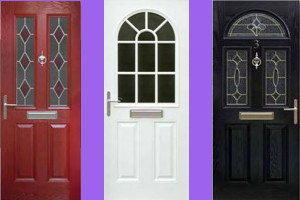 This hard-to find strike plate is made of solid brass and has an extremely thick. It's designed to be used on antique rim locks. It comes with both wood screws and machine screws, so you'll have the correct hardware for your job. Be aware that wood screws have a pointed point, whereas machine screws are blunter.
Door handles for patio doors are a key part of the decor of your home. A new handle can bring your home's decor modern.
Over time, your doors' knobs can start to feel stiff or even break. These are indications that it's time to replace them. This guide will help you select the best door handle replacement for your home.
Door Knobs
The handles on your doors will improve the look of your home and allow you to open and shut them. They are available in a variety of colors, finishes and types to match your decor. If yours is beginning to begin to show signs of wear or simply require an upgrade replacing them is simple and can be done in a few steps.
You'll need to find the shaft, or spindle, through which the knob is connected to the door. Some knobs have a small opening that you can access with an screwdriver to take out the set screws that keep the handle in place. Some have a thin slot or hole that allows you to press the spring-activated detent pin using a flathead. When you press the pin it opens the latch mechanism and allows you to pull or Handles for patio doors push the knob.
Once you have the spindle or shaft in your hands Remove the knob and replace it. Make sure to align it properly and verify that the latch works properly before tightening the new set screws.
After replacing the knob, hold the latch rod in position over the door's hole and interlock it with the rod mechanism on the second knob. Make sure that the holes are in alignment, then tighten the latch plate screws.
Some people opt for a smooth or brushed finish on their door hardware for modern, sleek design that is a perfect match for other furniture in their homes. Some prefer a rustic design that goes well with farmhouse-styled rooms. If you have someone in your family who has mobility issues, you may prefer a lever style or rim lock that require less pressure to operate.
While aesthetics are traditionally the primary consideration for door handle design, other aspects are becoming more important too. Accessibility and control of infections are key considerations when it comes to developing new designs for double glazing windows handles. For example, some handle designs can be operated by the arm of a person.
Latch
The latch that holds the handle of your external door handles and locks open will wear down over time. It is easy to change the latch on your door handle. This will make huge differences in how it opens and closes.
Depending on the type of knob you have depending on the type of handle you have, the latch may be part of the knob itself, or it might be an independent piece attached to the door itself. In either case, you will follow the same process for removing and replacing. It's easy to remove the old latch, particularly if you have a door double glazed window handle with a "magic" button. This little pressure-slot, located on the side knob is what you need to press in order to pull the latch out of the handle.
If your handle doesn't have this magic button you'll need to remove the cover plates that are placed over the latch plate. These are usually rectangular or circular and can be removed by using a screwdriver to pry them off of the handle. Some have a small hole in them where you can slide your screwdriver through, while others snap off.
Then, remove the machine screws that hold the inner plate and latch to the door handle. These are the shorter screws with a sharp point You will need to keep these in a secure location to use them again in the next steps. Once the screws are removed you can remove the latch plate and mechanism out of the external door handles and locks's hole and set it aside.
Then you can begin to install the new latch. Install the inside plate of the latch into the hole in the door, and secure it using the hardware provided. Make sure that the square pin in the interior of the latch is facing the latching mechanism inside the handle and aligns with the screw holes on the other sides of the handle. Then push the exterior latch plate on and secure it with the screws supplied.
Strike Plate
It is not uncommon to replace a door handle when it feels loose, or doesn't euro lock handles properly. This is often caused by malfunctioning components of the latching mechanism, such as the strike plate being too short or moved upwards or downwards on the doorjamb over time. This simple fix allows you to replace your existing strike plate with a new, larger one that can provide greater security and ensure that your door stays shut.
Apply a lipstick or other marking material on the bolt that you are using to determine if it's the strike plate. Close the door and try to latch it. If the mark is located below the strike plate's hole, this means that your door won't latch due to the fact that the strike plate is too small. If the mark is above the strike plate hole, it's most likely that the strike plate has been moved up or down on the doorjamb.
Depending on the door You may be able to install the new strike plate into the door over the old one using the screws that come with it. You may have to drill holes first, and then chisel the wood to ensure a secure fit. If this is the case make sure you don't chisel out too much wood or you could damage the strength of the doorjamb.
Installing a new box-style strike plate will give the lock a stronger grip on the doors and will require more force to open them. Typically it will require two longer screws that secure the strike plate to the door frame. To do this, you'll need to remove the existing strike plate and Handles for patio Doors then drill and chisel the wood to make room for the new one.
This hard-to find strike plate is made of solid brass and has an extremely thick. It's designed to be used on antique rim locks. It comes with both wood screws and machine screws, so you'll have the correct hardware for your job. Be aware that wood screws have a pointed point, whereas machine screws are blunter.댓글목록
등록된 댓글이 없습니다.