







10 Real Reasons People Hate Sustainable Arabica Coffee Beans
페이지 정보
작성자 Cornell 날짜24-09-19 21:08 조회18회 댓글0건본문
Sustainable Arabicica Coffee Beans
A variety of economic and environmental factors can impact the quality and availability of coffee, including droughts, crop diseases and climate change. All crops are affected by these problems, but handpicked arabica coffee beans beans may be more vulnerable than other varieties.
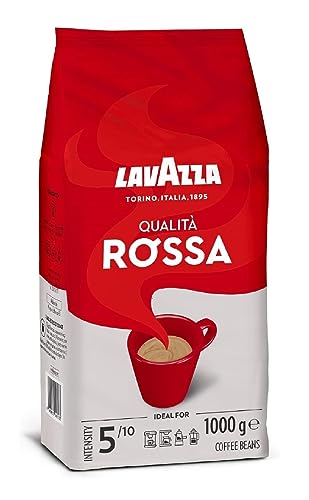 Starbucks has created six new varieties of arabica coffee beans with rich flavor beans that are naturally resistant against coffee leaf rust, and some of the effects of climate changes. They are also adapted for shade and can thrive in systems of agroforestry.
Rainforest Alliance Certification
Rainforest Alliance Certification is an internationally recognized seal that shows that agricultural products or ingredients are made with sustainability in mind. This includes the conservation of ecosystems, protection of wildlife and fair working conditions and treatment of farmers. The farms that are certified by the Rainforest Alliance adhere to strict environmental standards and are committed to ensuring their supply chain is sustainable. The Rainforest Alliance employs a variety methods and tools to ensure that its certification programs are valid. The organization offers training to farmers to help them promote best practices.
The certification program was introduced in 1986 and has been in existence for the past 29 years. It is among the oldest sustainable certifications. The green arabica Coffee beans frog seal is one that is found on a variety of items, including chocolate and coffee. The organization's goal is to create a world in which people and nature thrive in harmony.
In addition to promoting sustainability In addition to promoting sustainability, the Rainforest Alliance also works to protect indigenous communities and biodiversity. The organization has been working with indigenous groups across Latin America for many years, helping them to protect their communities and preserve their natural resources. This is an extremely important objective, since indigenous communities are usually the most vulnerable in any given region.
Rainforest Alliance is working to reduce deforestation within the coffee industry. Forest deforestation releases carbon into the atmosphere which causes climate change. The Rainforest Alliance is working on several initiatives to combat climate change, which includes working with the government and other organizations.
Businesses that want to use the Rainforest Alliance seal must first sign up with the organization's MultiTrace platform. They then create profiles for each of their operations. This will allow the organization to determine the level of verification required and the frequency for each location. The organization also keeps a list of accredited verification bodies to ensure the accuracy of its verification programs.
To be eligible to use the Rainforest Alliance seal, a company must meet the requirements of its Sustainable Agriculture Standard (SAN). This includes conservation of ecosystems as well as wildlife protection. fair treatment and working conditions for workers. The SAN is built on international best practices and takes into account the local context.
Fair Trade Certification
Fair Trade is a global system that aims to support farmers and producers in developing nations to obtain better prices for their products and to build sustainable livelihoods as well as help protect the environment. It involves a long and sometimes complicated process for farmers to get certified, as the requirements cover issues of worker rights, environmental sustainability and community development. Fair Trade products must be in compliance with certain economic standards. These include a Minimum Price Guarantee and a premium that is returned to the communities in which they are made.
The label is found on a wide range of food products. It requires that the manufacturer be certified by an independent third party organization to ensure that the product is in compliance with fair trade principles. Fairtrade America, a major certifier of products bearing this label in the United States is Fairtrade America. Its certification is rigorous and includes a review by a third party of the entire supply chain.
Many different organizations have their own fair-trade standards and might compete in the marketplace. The majority of these organizations are in agreement on the fundamental principles they advocate. All of these groups like to ensure that workers earn a living wage and ensure that their production processes are sustainable.
Fairtrade USA is the most recognized fair trade label in the coffee industry. It is a member of the larger Fairtrade International and uses FLOCERT to provide certification services. Its standards are created in collaboration with a wide range of stakeholders, including Fairtrade certified producers and non-governmental organizations. It also reaches out to consumers and industry partners to obtain their input.
Labels are a great way to promote your company as a consumer friendly business that cares about the health of those involved in production. This is especially crucial for companies concerned about labor issues like exploitation and slavery. These kinds of violations are more frequent in the cocoa and coffee industries and tea and sugar. However, these concerns aren't exclusive to these industries and it is possible for companies from other sectors to benefit from the fair trade movement by implementing its principles.
Organic Certification
It is common to obtain organic certification for your coffee beans. This guarantees that they aren't contaminated by synthetic chemicals. The USDA regulates it, requiring organic practices for farming in the country. protect wetlands and woodlands and wildlife habitat, preserve or enhance the water and soil quality, and avoid the use of synthetic fertilisers, sewage sludges, irradiation and genetic engineering. The USDA also regulates storage facilities and methods of transportation for organic products, making sure that no chemicals are incorporated into the product prior to it reaches consumers.
There are other initiatives, in addition to these certifications which promote sustainability within the coffee industry. For instance the B Corporation certification emphasizes transparency and accountability for businesses as well as SMBC Bird Friendly recognizes farms which create forest-like habitats, promoting conservation of birds that migrate. The 4C code of ethics recognizes the economic, environmental and social benefits for farmers.
These certifications that are sustainable are gaining popularity with European consumers looking to purchase ethical products. Green certified coffee can help reduce the impact on the environment and improves the income of the farmers.
The Rainforest Alliance is focused on improving the financial situation of coffee farmers, allowing them to achieve their own goals of development. This is accomplished through training on climate-smart and regenerative growth methods, and the facilitation of innovations like digital record-keeping. The Rainforest Alliance is also committed to educating people about the rights of workers on coffee farms.
The use of organic arabica beans could have a number advantages for health, including the removal of harmful chemicals. Organic coffee is also rich in antioxidants, which help to fight free radicals and keep the body healthy. It is also less likely to cause headaches, dizziness and insomnia than conventionally produced coffee.
In addition to fair trade and organic certification, the SMBC Bird Friendly certification recognizes the commitment of a coffee farm to the environment. This is accomplished by requiring a tree canopy to provide shelter and food as well as homes for migratory birds. The certification also takes into account the environmental and social impact of the supply chain for coffee.
Biodegradable Packaging
As climate change continues to decrease the land available for growing high-quality buy arabica coffee beans online coffee beans, many growers are unsure about what the future will hold. The good news is that there are various options that can mitigate the negative effects, such as diversification of the crop and the use of climate-resistant varieties.
Sustainable arabica coffee is a fantastic way to help the environment since it requires less water and pesticides than conventional arabica. It is also a great source of antioxidants that can lower the risk of heart disease and diabetes. In addition it can be grown on terraces and mountainsides and the shade offered by the coffee plant can help to prevent erosion and protect birds that migrate.
Sustainable arabica coffee is produced responsibly and protects the environment. It is often grown with the local community which can raise living standards and improve the environment. Sustainable arabica coffee beans with free shipping coffee may also be produced under the native forest canopy which helps to preserve biodiversity. To achieve sustainability certification, coffee farmers must follow strict standards for environmental and social protection. These include not using harmful chemicals, promoting community development, and enhancing working conditions. Furthermore farmers should be paid an appropriate price for their products.
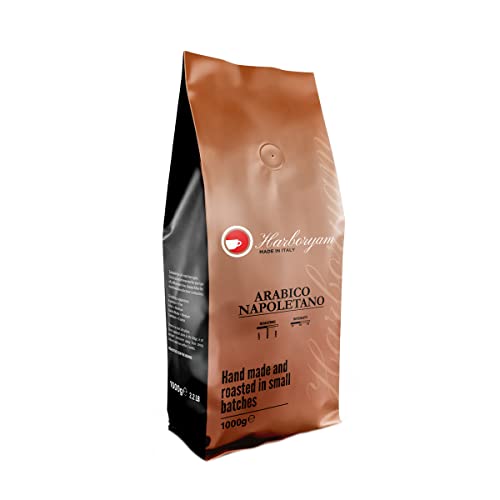 The top coffee companies can successfully combine the need for quality with the desire to make the least impact possible on the environment. They also aim to meet the demands of the market for organic fair-trade, sustainable and fair-trade coffee. They invest in research so they can make high-quality sustainable coffee beans.
Coffee companies can cut greenhouse gas emissions by encouraging tree planting projects in areas that are coffee-growing. This could help reduce the amount of carbon dioxide that are released during the transport of coffee from the farm to the grocery store.
Sustainability in coffee is a long-term process that requires collaboration between all the parties involved. By combining the forces of coffee producers, traders and roasters, sustainability will become a standard that is accepted by all.
A variety of economic and environmental factors can impact the quality and availability of coffee, including droughts, crop diseases and climate change. All crops are affected by these problems, but handpicked arabica coffee beans beans may be more vulnerable than other varieties.
Starbucks has created six new varieties of arabica coffee beans with rich flavor beans that are naturally resistant against coffee leaf rust, and some of the effects of climate changes. They are also adapted for shade and can thrive in systems of agroforestry.Rainforest Alliance Certification
Rainforest Alliance Certification is an internationally recognized seal that shows that agricultural products or ingredients are made with sustainability in mind. This includes the conservation of ecosystems, protection of wildlife and fair working conditions and treatment of farmers. The farms that are certified by the Rainforest Alliance adhere to strict environmental standards and are committed to ensuring their supply chain is sustainable. The Rainforest Alliance employs a variety methods and tools to ensure that its certification programs are valid. The organization offers training to farmers to help them promote best practices.
The certification program was introduced in 1986 and has been in existence for the past 29 years. It is among the oldest sustainable certifications. The green arabica Coffee beans frog seal is one that is found on a variety of items, including chocolate and coffee. The organization's goal is to create a world in which people and nature thrive in harmony.
In addition to promoting sustainability In addition to promoting sustainability, the Rainforest Alliance also works to protect indigenous communities and biodiversity. The organization has been working with indigenous groups across Latin America for many years, helping them to protect their communities and preserve their natural resources. This is an extremely important objective, since indigenous communities are usually the most vulnerable in any given region.
Rainforest Alliance is working to reduce deforestation within the coffee industry. Forest deforestation releases carbon into the atmosphere which causes climate change. The Rainforest Alliance is working on several initiatives to combat climate change, which includes working with the government and other organizations.
Businesses that want to use the Rainforest Alliance seal must first sign up with the organization's MultiTrace platform. They then create profiles for each of their operations. This will allow the organization to determine the level of verification required and the frequency for each location. The organization also keeps a list of accredited verification bodies to ensure the accuracy of its verification programs.
To be eligible to use the Rainforest Alliance seal, a company must meet the requirements of its Sustainable Agriculture Standard (SAN). This includes conservation of ecosystems as well as wildlife protection. fair treatment and working conditions for workers. The SAN is built on international best practices and takes into account the local context.
Fair Trade Certification
Fair Trade is a global system that aims to support farmers and producers in developing nations to obtain better prices for their products and to build sustainable livelihoods as well as help protect the environment. It involves a long and sometimes complicated process for farmers to get certified, as the requirements cover issues of worker rights, environmental sustainability and community development. Fair Trade products must be in compliance with certain economic standards. These include a Minimum Price Guarantee and a premium that is returned to the communities in which they are made.
The label is found on a wide range of food products. It requires that the manufacturer be certified by an independent third party organization to ensure that the product is in compliance with fair trade principles. Fairtrade America, a major certifier of products bearing this label in the United States is Fairtrade America. Its certification is rigorous and includes a review by a third party of the entire supply chain.
Many different organizations have their own fair-trade standards and might compete in the marketplace. The majority of these organizations are in agreement on the fundamental principles they advocate. All of these groups like to ensure that workers earn a living wage and ensure that their production processes are sustainable.
Fairtrade USA is the most recognized fair trade label in the coffee industry. It is a member of the larger Fairtrade International and uses FLOCERT to provide certification services. Its standards are created in collaboration with a wide range of stakeholders, including Fairtrade certified producers and non-governmental organizations. It also reaches out to consumers and industry partners to obtain their input.
Labels are a great way to promote your company as a consumer friendly business that cares about the health of those involved in production. This is especially crucial for companies concerned about labor issues like exploitation and slavery. These kinds of violations are more frequent in the cocoa and coffee industries and tea and sugar. However, these concerns aren't exclusive to these industries and it is possible for companies from other sectors to benefit from the fair trade movement by implementing its principles.
Organic Certification
It is common to obtain organic certification for your coffee beans. This guarantees that they aren't contaminated by synthetic chemicals. The USDA regulates it, requiring organic practices for farming in the country. protect wetlands and woodlands and wildlife habitat, preserve or enhance the water and soil quality, and avoid the use of synthetic fertilisers, sewage sludges, irradiation and genetic engineering. The USDA also regulates storage facilities and methods of transportation for organic products, making sure that no chemicals are incorporated into the product prior to it reaches consumers.
There are other initiatives, in addition to these certifications which promote sustainability within the coffee industry. For instance the B Corporation certification emphasizes transparency and accountability for businesses as well as SMBC Bird Friendly recognizes farms which create forest-like habitats, promoting conservation of birds that migrate. The 4C code of ethics recognizes the economic, environmental and social benefits for farmers.
These certifications that are sustainable are gaining popularity with European consumers looking to purchase ethical products. Green certified coffee can help reduce the impact on the environment and improves the income of the farmers.
The Rainforest Alliance is focused on improving the financial situation of coffee farmers, allowing them to achieve their own goals of development. This is accomplished through training on climate-smart and regenerative growth methods, and the facilitation of innovations like digital record-keeping. The Rainforest Alliance is also committed to educating people about the rights of workers on coffee farms.
The use of organic arabica beans could have a number advantages for health, including the removal of harmful chemicals. Organic coffee is also rich in antioxidants, which help to fight free radicals and keep the body healthy. It is also less likely to cause headaches, dizziness and insomnia than conventionally produced coffee.
In addition to fair trade and organic certification, the SMBC Bird Friendly certification recognizes the commitment of a coffee farm to the environment. This is accomplished by requiring a tree canopy to provide shelter and food as well as homes for migratory birds. The certification also takes into account the environmental and social impact of the supply chain for coffee.
Biodegradable Packaging
As climate change continues to decrease the land available for growing high-quality buy arabica coffee beans online coffee beans, many growers are unsure about what the future will hold. The good news is that there are various options that can mitigate the negative effects, such as diversification of the crop and the use of climate-resistant varieties.
Sustainable arabica coffee is a fantastic way to help the environment since it requires less water and pesticides than conventional arabica. It is also a great source of antioxidants that can lower the risk of heart disease and diabetes. In addition it can be grown on terraces and mountainsides and the shade offered by the coffee plant can help to prevent erosion and protect birds that migrate.
Sustainable arabica coffee is produced responsibly and protects the environment. It is often grown with the local community which can raise living standards and improve the environment. Sustainable arabica coffee beans with free shipping coffee may also be produced under the native forest canopy which helps to preserve biodiversity. To achieve sustainability certification, coffee farmers must follow strict standards for environmental and social protection. These include not using harmful chemicals, promoting community development, and enhancing working conditions. Furthermore farmers should be paid an appropriate price for their products.
The top coffee companies can successfully combine the need for quality with the desire to make the least impact possible on the environment. They also aim to meet the demands of the market for organic fair-trade, sustainable and fair-trade coffee. They invest in research so they can make high-quality sustainable coffee beans.Coffee companies can cut greenhouse gas emissions by encouraging tree planting projects in areas that are coffee-growing. This could help reduce the amount of carbon dioxide that are released during the transport of coffee from the farm to the grocery store.
Sustainability in coffee is a long-term process that requires collaboration between all the parties involved. By combining the forces of coffee producers, traders and roasters, sustainability will become a standard that is accepted by all.
댓글목록
등록된 댓글이 없습니다.