







10 Tips For Lidar Navigation Robot Vacuum That Are Unexpected
페이지 정보
작성자 Nathaniel 날짜24-04-18 05:43 조회32회 댓글0건본문
Benefits of Lidar Navigation in Robot Vacuums
If you are looking for a top robot vacuum with the most recent technology, then you should consider one that utilizes Lidar navigation. This system has several advantages, including a shorter time to run and a more thorough cleaning.
Lidar is an advanced technology for remote sensing that emits laser beams to measure distances accurately. It also operates in dim or bright light conditions.
Cost
When selecting a robot vacuum lidar the navigation system is an important aspect. Most robots use a combination sensors to navigate and map their environment. Cameras provide visual information optical sensors are used to measure distances. Combining these two technologies allows robots to navigate more precisely and efficiently.
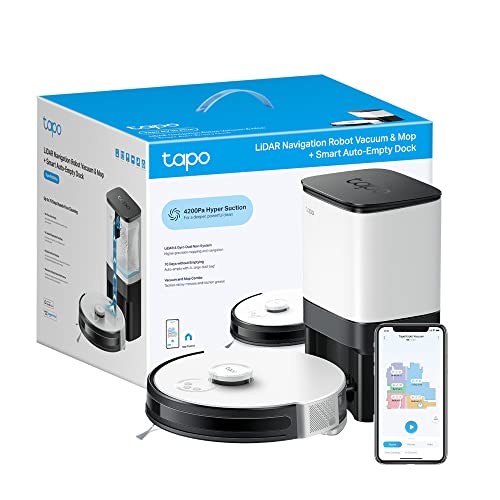 Compared to previous versions of robot vacuums which relied on bump sensors and other sensors to avoid obstacles the lidar-navigated robots are much more efficient in navigating complex environments. These robots are able to navigate around low-lying objects furniture, furniture with intricate arrangement, and smaller objects. They also have a more systematic cleaning approach, which means they can complete a room's cleaning more quickly and thoroughly.
While there are many benefits of using a robot that has lidar, it is a higher cost. The best robotic vacuums that use lidar make use of a method called SLAM which creates maps of the surrounding environment and determines where the robot is. These robots can perform useful actions with their maps, such as dropping virtual boundaries or setting no-go zones. They can even navigate in dark if necessary.
A robot with lidar could be limited in its ability to detect transparent or reflective surfaces like glass and mirrors. This could result in the robot getting stuck or navigating in a direction that is not expected. This is usually fixed by altering the robot's sensitivity settings. Lidar navigation is also less accurate in dimly-lit rooms and may be confused by reflections of light on the floor or wall.
Gyroscopes that work by measuring the speed of the robot's movement, can help keep the robot from bumping into things and creating precise maps. They can be utilized to calculate angles in the room or lidar navigation robot vacuum to identify obstacles. Gyroscopes are not expensive and the majority of models are equipped with them.
Some of the best robotic vacuums that use navigation utilize lidar, in conjunction with vSLAM, which utilizes optical sensors to scan a room's ceiling and major objects. The resulting maps enable the robot to determine its route and avoid obstacles.
Accuracy
The navigation system a robot vacuum uses can make a huge difference in how it navigates and cleans. The most efficient navigation systems utilize Lidar or SLAM (Simultaneous Localization and Mapping). They are also more expensive than other navigation methods such as cameras and gyroscopes. You need to decide if the additional cost is worth the investment to have navigation capabilities.
Lidar is a type of remote sensing technology that makes use of lasers to measure distance. It is used to locate objects that are in the car, and in the aerospace industry. Robots with this technology can create precise maps of the space and navigate around obstacles with pinpoint accuracy. Additionally, they are able to move more quickly than robots that rely on different sensors.
Lidar is not affected in any way by light or shadows unlike optical sensors. However, it may have difficulty detecting surfaces that are transparent or reflective. For instance mirrors or glass coffee table may reflect the laser beam back to the sensor, leading to errors in mapping and navigation. Lidar and camera technology can help mitigate these issues.
Another limitation of lidar is that it can not accurately detect objects with low elevations or hidden. This is why it's not the best option for homes with a lot of clutter or homes with a lot of obstacles. Some manufacturers have created "floor mapping" to overcome this issue. This feature allows the robots to map the floor in real-time. This feature reduces the likelihood of hitting furniture and can assist the robot in finding the safest route for both the robot and furniture.
If you can afford it, a robotic equipped with lidar navigation will give you the most precise and efficient navigation. The technology works by emitted beams of laser light, and determining the time it takes to get the beam to the sensor. This information is used to determine the distance of every object. The data is then assembled to create a precise map of the area. Furthermore, the technology can be used to detect cluttered areas and determine the areas where dust is most likely to accumulate.
Complexity of Space
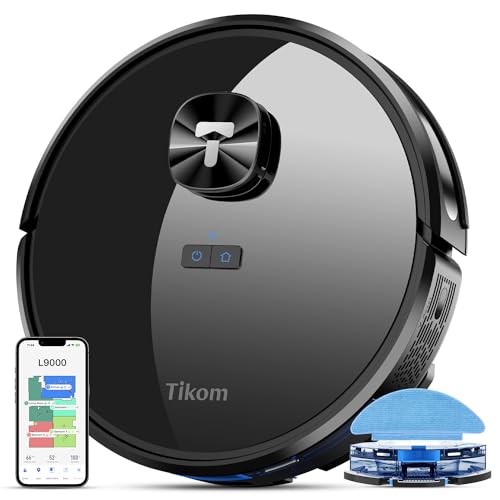 The more complicated your home, the more important it is to select a robot cleaner that can navigate well. The most affordable models have collision sensors that prevent them from hitting objects, however they're not great at navigating obstacles such as chair legs, dustbins and wires. They also cannot navigate around books, socket extensions or other obstacles. Robots with lidar navigation can easily avoid obstacles like these and offer a more thorough cleaning.
Lidar navigation creates maps of the surrounding environment using a spinning laser hidden beneath the cap on the top of the robot. These sensors can measure objects' distances to within a centimeter. They do this by spinning at high speeds and measuring the amount of time it takes for the laser beam to reflect back on itself. This lets the robot be more precise in its map of its surroundings.
This technology has a drawback in that it is unable to detect transparent or reflective objects, which results in less accurate mapping and navigation. This issue can be solved by using a camera conjunction with the lidar sensor. Certain models have wall sensors that stop the robots from pinging against furniture or walls and causing damage or noise.
While both lidar and camera-based navigation systems have their strengths, they can be improved with advanced algorithms. These two technologies work to create the best robots.
Some of the top robotic vacuums can create numerous maps that are detailed and keeping them in memory which allows them to navigate with greater precision and efficiency. These models come with an easier user interface to create no-go zones or other restrictions. They are able to connect to voice-activated assistance and work in dark. They also have better suction capabilities than their competition and can clean floors in a much shorter amount of time. These attributes make them an ideal choice for busy households with a limited amount of time. The high price of robots that have lidar capabilities is a reason why they aren't suitable for all households.
Time
The time it takes your robot vacuum lidar to complete its mission can vary depending on the kind of navigation technology it uses. The most basic robots utilize gyroscopes, which measure how quickly the wheels spin to calculate the distance between them and obstacles. These sensors are used in aircrafts, cell phones, and ships for many years. They can reduce the time needed to clean. However, lidar navigation Robot Vacuum they're not as precise when it comes to maneuvering around furniture and other objects.
vSLAM, which stands for visual simultaneous localization and map-making, and lidar (light detection and range) are two of the most advanced navigation techniques. vSLAM utilizes optical sensors to examine the ceiling and the major furniture in the room, whereas lidar emits laser beams that reflect off objects and walls. These sensors detect the changes in the reflection of light to create maps of a room which can improve the accuracy of navigation.
Lidar is the most advanced method of navigation in robotic vacuums. It can be used for both indoor and outdoor use. Its ability to map a space enables robots to navigate better and avoid obstacles, and works well even in dim lighting conditions. It also offers greater accuracy than other methods of navigation and is more efficient when it comes to battery usage.
Another benefit of lidar is that it can provide more precise information about the surface of an object for instance, whether it is smooth or rough. This helps the robot avoid damaging or clogging furniture. In addition, it is able to scan for objects that might be blocking the path of the vacuum, for example dustbins, chair legs toys socket extensions, wires, and more.
Contrary to conventional radar, which can only see stationary objects lidar navigation robot vacuum (hop over to this web-site) is able to detect moving objects and observe changes in the surroundings, which makes it ideal for homes that are constantly changing. It can also measure the height of objects. This enables it to reach areas that are difficult to reach, and also bypass lower cabinets. However it is crucial to be aware that some privacy experts think that these maps stored by robots could be hacked to reveal sensitive data such as the size and income of the home of a user.
If you are looking for a top robot vacuum with the most recent technology, then you should consider one that utilizes Lidar navigation. This system has several advantages, including a shorter time to run and a more thorough cleaning.
Lidar is an advanced technology for remote sensing that emits laser beams to measure distances accurately. It also operates in dim or bright light conditions.
Cost
When selecting a robot vacuum lidar the navigation system is an important aspect. Most robots use a combination sensors to navigate and map their environment. Cameras provide visual information optical sensors are used to measure distances. Combining these two technologies allows robots to navigate more precisely and efficiently.
Compared to previous versions of robot vacuums which relied on bump sensors and other sensors to avoid obstacles the lidar-navigated robots are much more efficient in navigating complex environments. These robots are able to navigate around low-lying objects furniture, furniture with intricate arrangement, and smaller objects. They also have a more systematic cleaning approach, which means they can complete a room's cleaning more quickly and thoroughly.While there are many benefits of using a robot that has lidar, it is a higher cost. The best robotic vacuums that use lidar make use of a method called SLAM which creates maps of the surrounding environment and determines where the robot is. These robots can perform useful actions with their maps, such as dropping virtual boundaries or setting no-go zones. They can even navigate in dark if necessary.
A robot with lidar could be limited in its ability to detect transparent or reflective surfaces like glass and mirrors. This could result in the robot getting stuck or navigating in a direction that is not expected. This is usually fixed by altering the robot's sensitivity settings. Lidar navigation is also less accurate in dimly-lit rooms and may be confused by reflections of light on the floor or wall.
Gyroscopes that work by measuring the speed of the robot's movement, can help keep the robot from bumping into things and creating precise maps. They can be utilized to calculate angles in the room or lidar navigation robot vacuum to identify obstacles. Gyroscopes are not expensive and the majority of models are equipped with them.
Some of the best robotic vacuums that use navigation utilize lidar, in conjunction with vSLAM, which utilizes optical sensors to scan a room's ceiling and major objects. The resulting maps enable the robot to determine its route and avoid obstacles.
Accuracy
The navigation system a robot vacuum uses can make a huge difference in how it navigates and cleans. The most efficient navigation systems utilize Lidar or SLAM (Simultaneous Localization and Mapping). They are also more expensive than other navigation methods such as cameras and gyroscopes. You need to decide if the additional cost is worth the investment to have navigation capabilities.
Lidar is a type of remote sensing technology that makes use of lasers to measure distance. It is used to locate objects that are in the car, and in the aerospace industry. Robots with this technology can create precise maps of the space and navigate around obstacles with pinpoint accuracy. Additionally, they are able to move more quickly than robots that rely on different sensors.
Lidar is not affected in any way by light or shadows unlike optical sensors. However, it may have difficulty detecting surfaces that are transparent or reflective. For instance mirrors or glass coffee table may reflect the laser beam back to the sensor, leading to errors in mapping and navigation. Lidar and camera technology can help mitigate these issues.
Another limitation of lidar is that it can not accurately detect objects with low elevations or hidden. This is why it's not the best option for homes with a lot of clutter or homes with a lot of obstacles. Some manufacturers have created "floor mapping" to overcome this issue. This feature allows the robots to map the floor in real-time. This feature reduces the likelihood of hitting furniture and can assist the robot in finding the safest route for both the robot and furniture.
If you can afford it, a robotic equipped with lidar navigation will give you the most precise and efficient navigation. The technology works by emitted beams of laser light, and determining the time it takes to get the beam to the sensor. This information is used to determine the distance of every object. The data is then assembled to create a precise map of the area. Furthermore, the technology can be used to detect cluttered areas and determine the areas where dust is most likely to accumulate.
Complexity of Space
The more complicated your home, the more important it is to select a robot cleaner that can navigate well. The most affordable models have collision sensors that prevent them from hitting objects, however they're not great at navigating obstacles such as chair legs, dustbins and wires. They also cannot navigate around books, socket extensions or other obstacles. Robots with lidar navigation can easily avoid obstacles like these and offer a more thorough cleaning.Lidar navigation creates maps of the surrounding environment using a spinning laser hidden beneath the cap on the top of the robot. These sensors can measure objects' distances to within a centimeter. They do this by spinning at high speeds and measuring the amount of time it takes for the laser beam to reflect back on itself. This lets the robot be more precise in its map of its surroundings.
This technology has a drawback in that it is unable to detect transparent or reflective objects, which results in less accurate mapping and navigation. This issue can be solved by using a camera conjunction with the lidar sensor. Certain models have wall sensors that stop the robots from pinging against furniture or walls and causing damage or noise.
While both lidar and camera-based navigation systems have their strengths, they can be improved with advanced algorithms. These two technologies work to create the best robots.
Some of the top robotic vacuums can create numerous maps that are detailed and keeping them in memory which allows them to navigate with greater precision and efficiency. These models come with an easier user interface to create no-go zones or other restrictions. They are able to connect to voice-activated assistance and work in dark. They also have better suction capabilities than their competition and can clean floors in a much shorter amount of time. These attributes make them an ideal choice for busy households with a limited amount of time. The high price of robots that have lidar capabilities is a reason why they aren't suitable for all households.
Time
The time it takes your robot vacuum lidar to complete its mission can vary depending on the kind of navigation technology it uses. The most basic robots utilize gyroscopes, which measure how quickly the wheels spin to calculate the distance between them and obstacles. These sensors are used in aircrafts, cell phones, and ships for many years. They can reduce the time needed to clean. However, lidar navigation Robot Vacuum they're not as precise when it comes to maneuvering around furniture and other objects.
vSLAM, which stands for visual simultaneous localization and map-making, and lidar (light detection and range) are two of the most advanced navigation techniques. vSLAM utilizes optical sensors to examine the ceiling and the major furniture in the room, whereas lidar emits laser beams that reflect off objects and walls. These sensors detect the changes in the reflection of light to create maps of a room which can improve the accuracy of navigation.
Lidar is the most advanced method of navigation in robotic vacuums. It can be used for both indoor and outdoor use. Its ability to map a space enables robots to navigate better and avoid obstacles, and works well even in dim lighting conditions. It also offers greater accuracy than other methods of navigation and is more efficient when it comes to battery usage.
Another benefit of lidar is that it can provide more precise information about the surface of an object for instance, whether it is smooth or rough. This helps the robot avoid damaging or clogging furniture. In addition, it is able to scan for objects that might be blocking the path of the vacuum, for example dustbins, chair legs toys socket extensions, wires, and more.
Contrary to conventional radar, which can only see stationary objects lidar navigation robot vacuum (hop over to this web-site) is able to detect moving objects and observe changes in the surroundings, which makes it ideal for homes that are constantly changing. It can also measure the height of objects. This enables it to reach areas that are difficult to reach, and also bypass lower cabinets. However it is crucial to be aware that some privacy experts think that these maps stored by robots could be hacked to reveal sensitive data such as the size and income of the home of a user.
댓글목록
등록된 댓글이 없습니다.