







You'll Never Guess This Pellet Stoves Best's Tricks
페이지 정보
작성자 Camilla 날짜24-11-18 02:28 조회4회 댓글0건본문
Pellet Stoves - How to Choose the Best Pellet Stoves
Pellet stoves are an efficient alternative to traditional wood stoves. They make use of recycled sawdust that's been pressed and dried into pellet fuel. The pellets are heated and fed through an auger in a combustion chamber.
pellet stoves vs wood stoves stoves are less expensive and require less maintenance than traditional fireplaces and wood-burning stoves. They are also safer than stoves that burn wood.
Aesthetics
The best pellet stoves are stylish and offer a superior alternative to wood-burning stoves. Certain models feature large windows that allow you to see the flames. Some are more utilitarian and modern in design. Some models come with an energy-efficient electric fan to ensure a faster and more efficient combustion. Some are also eligible for tax credit for fuel, which could help you cut down on your heating bill.
In addition to their aesthetics They are also highly efficient and produce less particulate emissions compared to fossil-fuel counterparts. They burn pellets made from sawdust and recycled wood which prevents the material from being thrown into landfills. They can also cut carbon emissions from the atmosphere by about 1.5 tons per annum.
Pellet stoves can be purchased as freestanding units, wall mounted, or integrated into fireplaces already in place. Freestanding units come with their own advantages and drawbacks. They can be put anywhere in your home and it is easy to control their temperature with thermostats. They are perfect for open floor plans and rooms that don't have a fireplace.
The output of heat produced by a pellet stove should be the primary factor in your choice. The stove must be sized appropriately for the space you have. A stove that isn't properly sized won't be able to adequately heat your entire house and an over-sized model will consume more fuel than it needs, leading to higher energy costs.
When purchasing pellet heaters it is important to consider how the heater will be vented. Most pellet stoves require venting systems that include an insulated flue line, as well as an air intake that pulls fresh air from outside for combustion. The system must be properly sealed to stop moisture from entering the home, and most manufacturers recommend an installation by a professional.
You should consider the style of your home when selecting the best pellet stove. Freestanding pellet stoves are usually rustic, whereas wall mounted models are more modern. You can also select an integrated pellet stove into your fireplace if looking to save money on installation.
Energy efficiency
The type of wood pellets you choose to use will affect the efficiency of your stove. Premium or premium pellets are more efficient than standard or utility pellets. The reason for this is that pellets of higher quality are made of solid wood, not paper, cardboard or bark. The pellets are also less likely to contain harmful substances that can block the stove's burner, and thus reduce its efficiency.
The BTU rating of the pellet stove will tell you how much heat it generates for the amount of fuel it uses. This is crucial because it will let you know whether the stove is able to provide enough heating for your home or if you will need a secondary source of heat in the event that the stove isn't able meet the demands of heating your home. The hopper capacity will determine the frequency at which you need to refill your stove.
How well the stove is maintained is another factor that affects its energy efficiency. Many manufacturers require that their stoves be maintained and cleaned on a regular basis to maintain optimum performance. This includes cleaning the heat exchanger, blower and venting system. The hopper should also be kept free of dust and ash. A dirty stove will significantly reduce its efficiency, therefore it is important to follow manufacturer instructions to maintain the best efficiency.
Pellet stoves can be a great alternative to traditional heating sources. They can be a major source of heat for many homes, especially in colder climates, but it is crucial to select a stove that is properly designed for your space and that it is maintained regularly. As a general rule, you should allow the equivalent of 5,000 BTUs per square foot of space for heating.
If homeowners decide to switch from propane or oil to a pellet stove, they could save about $800 to 1,000 annually on their heating costs according to Smeltz. This could be a significant selling point for some customers.
Burn time
Pellet stoves are a beautiful middle ground between wood heat and other forms of heating. They're more manageable than a traditional wood-burning stove as well as more appealing and efficient than the average mini-split. They also produce less heat than central furnaces, which makes them ideal for smaller spaces.
Similar to other forms of heating, pellet stoves require an outside venting system to expel the combustion gases out of the home. The vent pipe is connected to the stove and can be run through a chimney or an external wall. The vent system is complicated dependent on the space and whether you own an electric or nonelectric stove. Electric stoves require an electrical connection in order to supply power to the mechanical feed hopper which is responsible for delivering pellets to the fireboxes. Non-electric models require the user manually load the pellets into the firebox or use a gravity feed.
The size of the stove's hopper determines the length of time the stove will run before it has to be refilled. A large hopper will hold enough pellets for stoves to run for several days before needing to be refilled. This is a crucial feature to consider when choosing the best pellet stove.
Another aspect that determines the best pellet stove furnace stoves is their energy efficiency rating. The EPA assigns an appliance with a number that indicates its fuel efficiency. The higher the number the more efficient the appliance is. Some of the most efficient pellet stoves reach 83 percent efficiency or even higher however, no stove will never achieve 100% efficiency, as some heat is lost through the venting system.
The BTU rating of a stove indicates the amount of heat it's capable of producing. A stove that has a higher BTU rating will be able to heat larger areas or entire homes however, it will consume more power than one with a lower BTU rating. Higher-end models have digital controls that let you control the temperature precisely and others have simple dials and an on/off switch.
Pellet stoves are available in different styles such as freestanding models that can stand on their own, wall-mounted units that hang on the wall or in the form of insert stoves that fit into fireplaces already in place. Freestanding stoves have a rustic aesthetic and can be used in places where no other type of heater is suitable, while wall-mounted models save floor space.
Maintenance
Pellet stoves are an alternative to wood-burning stoves and gas heaters. They are a cost-effective way to heat homes however, they can be expensive to install and require regular maintenance to perform optimally. Proper maintenance for pellet stoves can help owners save money while ensuring the safety of their family members and pets. It can also help avoid costly repairs by preventing issues.
The first step to avoid problems with your pellet stove is to ensure it is clean. Cleaning is easy if use the right tools and follow the instructions in the owner's manual. Regular cleaning will keep your stove in good working condition by removing ash and soot.
This job can be made much easier with a good pellet stoves ash vacuum cleaner and a HEPA dust filter. The hopper and the feed area must be cleaned each week. This can be done by hand, but a cleaning set that includes a sweep brush, and a pan is a good investment. This will allow you clean all parts of your stove with minimal mess. It is essential to unplug the stove and wait for it to cool before beginning cleaning.
Another area that requires constant focus is the heat exchanger. This component is responsible for converting the heat produced by burning of pellets into warm, circulating air throughout your home. It is prone to becoming blocked with creosote which is toxic if inhaled. Cleaning the heat exchanger frequently keeps it in good working condition.
It's also important to check the hopper and burner for loose components. The efficiency of the stove is reduced when the burn pot or hopper are damaged. The cost of heating will also increase. A professional should inspect your stove at least once a year. This will let you know of any issues that could arise and ensure it is operating properly prior to winter.
Although pellet stoves are very convenient, it is essential to remember that they make use of electricity to power their fans and electronic controls. As such, if your home is power-less the fan and pellet Stoves best feeder may not work. It is essential to plan an emergency heating system in these kinds of situations. This is especially important in areas that is subject to cold temperatures.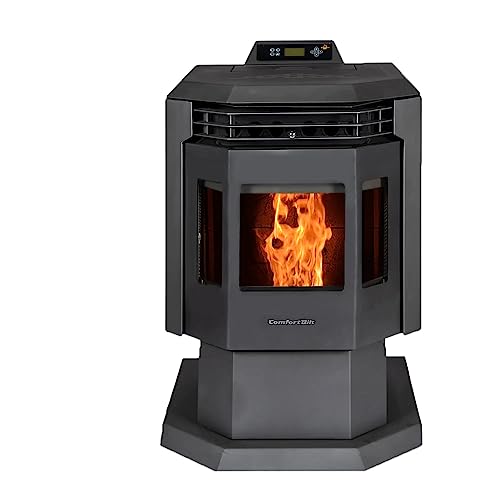
Pellet stoves are an efficient alternative to traditional wood stoves. They make use of recycled sawdust that's been pressed and dried into pellet fuel. The pellets are heated and fed through an auger in a combustion chamber.
pellet stoves vs wood stoves stoves are less expensive and require less maintenance than traditional fireplaces and wood-burning stoves. They are also safer than stoves that burn wood.
Aesthetics
The best pellet stoves are stylish and offer a superior alternative to wood-burning stoves. Certain models feature large windows that allow you to see the flames. Some are more utilitarian and modern in design. Some models come with an energy-efficient electric fan to ensure a faster and more efficient combustion. Some are also eligible for tax credit for fuel, which could help you cut down on your heating bill.
In addition to their aesthetics They are also highly efficient and produce less particulate emissions compared to fossil-fuel counterparts. They burn pellets made from sawdust and recycled wood which prevents the material from being thrown into landfills. They can also cut carbon emissions from the atmosphere by about 1.5 tons per annum.
Pellet stoves can be purchased as freestanding units, wall mounted, or integrated into fireplaces already in place. Freestanding units come with their own advantages and drawbacks. They can be put anywhere in your home and it is easy to control their temperature with thermostats. They are perfect for open floor plans and rooms that don't have a fireplace.
The output of heat produced by a pellet stove should be the primary factor in your choice. The stove must be sized appropriately for the space you have. A stove that isn't properly sized won't be able to adequately heat your entire house and an over-sized model will consume more fuel than it needs, leading to higher energy costs.
When purchasing pellet heaters it is important to consider how the heater will be vented. Most pellet stoves require venting systems that include an insulated flue line, as well as an air intake that pulls fresh air from outside for combustion. The system must be properly sealed to stop moisture from entering the home, and most manufacturers recommend an installation by a professional.
You should consider the style of your home when selecting the best pellet stove. Freestanding pellet stoves are usually rustic, whereas wall mounted models are more modern. You can also select an integrated pellet stove into your fireplace if looking to save money on installation.
Energy efficiency
The type of wood pellets you choose to use will affect the efficiency of your stove. Premium or premium pellets are more efficient than standard or utility pellets. The reason for this is that pellets of higher quality are made of solid wood, not paper, cardboard or bark. The pellets are also less likely to contain harmful substances that can block the stove's burner, and thus reduce its efficiency.
The BTU rating of the pellet stove will tell you how much heat it generates for the amount of fuel it uses. This is crucial because it will let you know whether the stove is able to provide enough heating for your home or if you will need a secondary source of heat in the event that the stove isn't able meet the demands of heating your home. The hopper capacity will determine the frequency at which you need to refill your stove.
How well the stove is maintained is another factor that affects its energy efficiency. Many manufacturers require that their stoves be maintained and cleaned on a regular basis to maintain optimum performance. This includes cleaning the heat exchanger, blower and venting system. The hopper should also be kept free of dust and ash. A dirty stove will significantly reduce its efficiency, therefore it is important to follow manufacturer instructions to maintain the best efficiency.
Pellet stoves can be a great alternative to traditional heating sources. They can be a major source of heat for many homes, especially in colder climates, but it is crucial to select a stove that is properly designed for your space and that it is maintained regularly. As a general rule, you should allow the equivalent of 5,000 BTUs per square foot of space for heating.
If homeowners decide to switch from propane or oil to a pellet stove, they could save about $800 to 1,000 annually on their heating costs according to Smeltz. This could be a significant selling point for some customers.
Burn time
Pellet stoves are a beautiful middle ground between wood heat and other forms of heating. They're more manageable than a traditional wood-burning stove as well as more appealing and efficient than the average mini-split. They also produce less heat than central furnaces, which makes them ideal for smaller spaces.
Similar to other forms of heating, pellet stoves require an outside venting system to expel the combustion gases out of the home. The vent pipe is connected to the stove and can be run through a chimney or an external wall. The vent system is complicated dependent on the space and whether you own an electric or nonelectric stove. Electric stoves require an electrical connection in order to supply power to the mechanical feed hopper which is responsible for delivering pellets to the fireboxes. Non-electric models require the user manually load the pellets into the firebox or use a gravity feed.
The size of the stove's hopper determines the length of time the stove will run before it has to be refilled. A large hopper will hold enough pellets for stoves to run for several days before needing to be refilled. This is a crucial feature to consider when choosing the best pellet stove.
Another aspect that determines the best pellet stove furnace stoves is their energy efficiency rating. The EPA assigns an appliance with a number that indicates its fuel efficiency. The higher the number the more efficient the appliance is. Some of the most efficient pellet stoves reach 83 percent efficiency or even higher however, no stove will never achieve 100% efficiency, as some heat is lost through the venting system.
The BTU rating of a stove indicates the amount of heat it's capable of producing. A stove that has a higher BTU rating will be able to heat larger areas or entire homes however, it will consume more power than one with a lower BTU rating. Higher-end models have digital controls that let you control the temperature precisely and others have simple dials and an on/off switch.
Pellet stoves are available in different styles such as freestanding models that can stand on their own, wall-mounted units that hang on the wall or in the form of insert stoves that fit into fireplaces already in place. Freestanding stoves have a rustic aesthetic and can be used in places where no other type of heater is suitable, while wall-mounted models save floor space.
Maintenance
Pellet stoves are an alternative to wood-burning stoves and gas heaters. They are a cost-effective way to heat homes however, they can be expensive to install and require regular maintenance to perform optimally. Proper maintenance for pellet stoves can help owners save money while ensuring the safety of their family members and pets. It can also help avoid costly repairs by preventing issues.
The first step to avoid problems with your pellet stove is to ensure it is clean. Cleaning is easy if use the right tools and follow the instructions in the owner's manual. Regular cleaning will keep your stove in good working condition by removing ash and soot.
This job can be made much easier with a good pellet stoves ash vacuum cleaner and a HEPA dust filter. The hopper and the feed area must be cleaned each week. This can be done by hand, but a cleaning set that includes a sweep brush, and a pan is a good investment. This will allow you clean all parts of your stove with minimal mess. It is essential to unplug the stove and wait for it to cool before beginning cleaning.
Another area that requires constant focus is the heat exchanger. This component is responsible for converting the heat produced by burning of pellets into warm, circulating air throughout your home. It is prone to becoming blocked with creosote which is toxic if inhaled. Cleaning the heat exchanger frequently keeps it in good working condition.
It's also important to check the hopper and burner for loose components. The efficiency of the stove is reduced when the burn pot or hopper are damaged. The cost of heating will also increase. A professional should inspect your stove at least once a year. This will let you know of any issues that could arise and ensure it is operating properly prior to winter.
Although pellet stoves are very convenient, it is essential to remember that they make use of electricity to power their fans and electronic controls. As such, if your home is power-less the fan and pellet Stoves best feeder may not work. It is essential to plan an emergency heating system in these kinds of situations. This is especially important in areas that is subject to cold temperatures.
댓글목록
등록된 댓글이 없습니다.