







5 Killer Quora Answers To Gas Safety Certificate UK
페이지 정보
작성자 Lula 날짜25-01-09 02:24 조회2회 댓글0건본문
Gas Safety Certificate For Landlords
Landlords are accountable for ensuring that their properties meet minimum standards for gas safety. This is especially important for those who rent out their properties. Tenants are also able to play a part by requesting their landlord's gas certificate, commonly called a CP12.
 Failure to adhere to the law could result in severe fines for landlords in the UK. This article will explore the various elements of a gas safety certificate uk [More Help] which includes legal requirements and safety measures.
Cost
The cost of gas safety certificates can vary depending on the type and amount of appliances being inspected. It is important for landlords to ensure their properties are safe. A certified engineer will test your gas safety certificate what is checked gauge as well as your boilers, fires cookers, and flues to ensure that they are working properly and there aren't any leaks. The engineer will also ensure that there is sufficient ventilation to prevent carbon monoxide from accumulating.
Landlords should be aware there are penalties for not being able to obtain a gas safety certificate. These fines can be significant and could affect a landlord's budget, which is why it is crucial to plan for this expense. In addition to the cost of the gas safety test landlords should budget for any repairs or maintenance that may be needed.
A gas safety certificate is legally required for every rental properties in the UK. This is a statutory inspection performed by a gas engineer in order to ensure that the property's gas appliances are current and meet legal standards. The costs of the gas safety certificate may vary however, on average they are priced between PS50 and PS150. This includes a visit from an engineer, a thorough examination of all appliances and pipework and providing the certificate.
Generally, landlords must organize for a CP12 Gas Safety Certificate to be carried out on every gas appliance in their rental property, which includes chimneys and flues that connect to them. This statutory check is to be carried out by an Gas Safe registered engineer. A CP12 Gas Safety Certificate includes an assessment of the appliance as well as an inspection of the venting system to ensure that combustible gasses, such as carbon dioxide, aren't accumulating in the property.
Landlords should be aware that tenants are accountable for their own appliances as well as for any gas pipework connected to these appliances. If the landlord supplied the appliances or was pipework that was running through the property of the landlord, then it is the landlord's responsibility to arrange for the CP12 Gas Safety Certificate.
Finding an Official Certificate
As a landlord, you must make sure that your property is secure. One method to do this is by getting a gas safety certificate. This document demonstrates the safety and effectiveness of your gas appliances. The certificate usually lasts for 12 months, and it's important to renew it before it expires. The process is easy and cost-effective if you work with an experienced company.
A licensed engineer will visit your property to perform a thorough inspection of all gas appliances inside your home. They will ensure that the appliances are operating at the right pressure, and will also ensure that all flues are clean and there aren't any obstructions in the air passageways. They will also check that the ventilation is operating properly to allow harmful gases like carbon monoxide to escape.
The engineer will mark on your gas safety certification if an appliance fails the test. They'll issue a number of either immediately Dangerous (ID) or At Risk (AR) or not to Current Standards (NCS). If an appliance is labeled as AR or ID the appliance should not be used and will need to be replaced or repaired as soon as is possible. The engineer should also take note of any issues that require attention.
Landlords who don't possess an official gas safety certificate could be subject to massive fines, and possibly the possibility of a prison sentence. It's essential that you have your certificate in place prior to renting out the property. gas safe building regulations compliance certificate safety checks are quick and inexpensive, and can ensure your family and tenants are secure.
It's a good idea to get a certificate of gas safety, even if it's not required. This will make homeowners feel more at ease about the condition of their heating and gas appliances, and will help them detect issues before they become serious. In addition, having an approved gas safety certificate could increase the likelihood of selling their house. You can arrange an inspection for gas by visiting the Mashroom website. It's quick and easy.
Legal Requirements
Gas safety certificates are a legal requirement landlords need to obtain to ensure the security of their tenants. Without the certificate, landlords could be subject to severe penalties. The engineer that performs the inspection will examine every gas appliance and flues that are in the house to ensure that they are safe to use. They will also assess the efficiency of the combustion of the appliances to ensure they aren't releasing too much carbon monoxide. The engineers will be able to identify any problems on the gas safety certificates and recommend repairs or replacements, if required.
Landlords are required to have their gas appliances checked every year and obtain a certificate of gas safety. They should also give copies of the certificate their tenants. If they fail to do so, they could be at risk of having to pay fines or criminal charges. It is important to know that the certificate only covers gas safety certificate and boiler service appliances owned by the landlord, not those that are brought in by tenants. However, the landlord is still responsible for any pipework and flues that connect to a tenant's appliance.
In addition to being a legal requirement a gas safety certificate also helps landlords keep their reputation as responsible owners of their properties. It is also helpful when selling the property, as prospective buyers want proof that the system has been examined. A certificate can help keep tenants and preserve the value of a house.
In the UK, landlords are required to obtain an official gas safety certificate in order to ensure their rental properties remain safe for tenants. Landlords are required to have their gas appliances checked by a qualified Gas Safe engineer and obtain an official gas safety certificate prior to renting the property to any person. Landlords must keep their gas certificates current and provide a copy to their tenants. If a landlord fails to do this, they can be fined or even imprisoned. The reason for this is that a lack of a gas safety certification can put tenants in serious danger, as it shows that the appliances have not been properly maintained or tested.
Safety Measures
A gas safety certificate is a legal requirement for landlords to ensure the health and well-being of tenants. Infractions to this law could lead to hefty fines and reputational damage that could persist for a long time. Besides being legally compliant, gas safety checks can help to prevent accidents, maintain the efficiency of boilers, and extend the longevity of appliances. Landlords should organize regular inspections to stay up-to-date with the most recent safety standards. Furthermore having a gas safety certificate can be an advantage when selling or renting properties, as it proves that the house is safe for the new owners.
A qualified engineer who is registered with Gas Safe will conduct a thorough examination of all the gas appliances and flues in the rental property. Then, they will issue a document called the CP12 which outlines the results of the inspection. The document will include the date of the test as well as a description of each appliance, and the name and gas safety certificate near me Safe registration number of the person who performed the tests. The CP12 also identifies any defects discovered and outlines the steps required to resolve them.
The engineer will mark the appliance or installation with one of three codes if it's deemed dangerous that is: Immediately Dangerous or At Risk, or Not in conformity with current Standards. The code indicates how dangerous the appliance is for tenants and the steps that the landlord should take to make repairs.
The cost of a safety certificate gas varies according to the location and complexity of the property being inspected. However you can cut down on the cost of a gas inspection by using a rental agency who includes the service in their management fee. In addition, you could save money by 'lumping' your products together, such as having your boiler serviced simultaneously with the gas safety certificate duplicate safety inspection.
The law requires that landlords inspect their gas appliances and get a gas safety certificate each year. This law is designed to safeguard tenants from fires, explosions and carbon monoxide poisoning. The landlord is also responsible to provide a copy of the inspection report to the tenants within 28 days of the inspection. Failure to do this could result in a significant fine or imprisonment in extreme instances of gross negligence.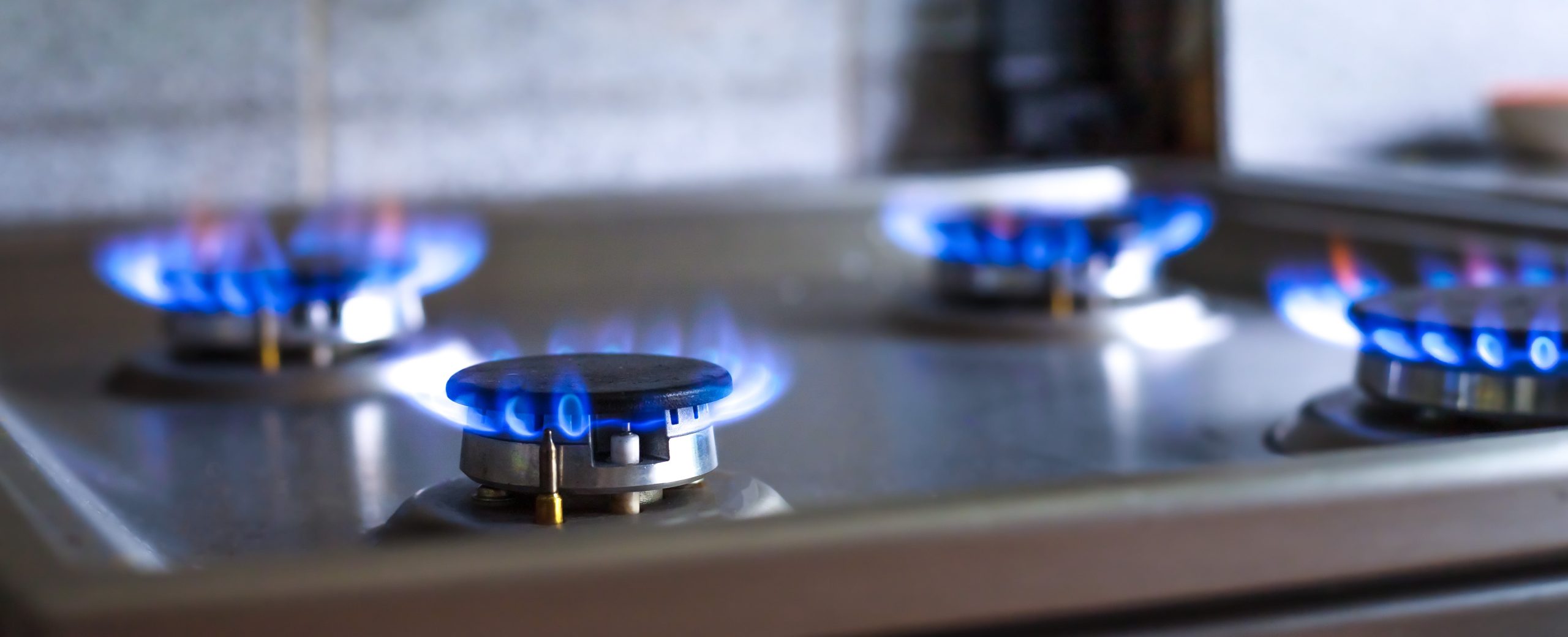
Landlords are accountable for ensuring that their properties meet minimum standards for gas safety. This is especially important for those who rent out their properties. Tenants are also able to play a part by requesting their landlord's gas certificate, commonly called a CP12.
Failure to adhere to the law could result in severe fines for landlords in the UK. This article will explore the various elements of a gas safety certificate uk [More Help] which includes legal requirements and safety measures.Cost
The cost of gas safety certificates can vary depending on the type and amount of appliances being inspected. It is important for landlords to ensure their properties are safe. A certified engineer will test your gas safety certificate what is checked gauge as well as your boilers, fires cookers, and flues to ensure that they are working properly and there aren't any leaks. The engineer will also ensure that there is sufficient ventilation to prevent carbon monoxide from accumulating.
Landlords should be aware there are penalties for not being able to obtain a gas safety certificate. These fines can be significant and could affect a landlord's budget, which is why it is crucial to plan for this expense. In addition to the cost of the gas safety test landlords should budget for any repairs or maintenance that may be needed.
A gas safety certificate is legally required for every rental properties in the UK. This is a statutory inspection performed by a gas engineer in order to ensure that the property's gas appliances are current and meet legal standards. The costs of the gas safety certificate may vary however, on average they are priced between PS50 and PS150. This includes a visit from an engineer, a thorough examination of all appliances and pipework and providing the certificate.
Generally, landlords must organize for a CP12 Gas Safety Certificate to be carried out on every gas appliance in their rental property, which includes chimneys and flues that connect to them. This statutory check is to be carried out by an Gas Safe registered engineer. A CP12 Gas Safety Certificate includes an assessment of the appliance as well as an inspection of the venting system to ensure that combustible gasses, such as carbon dioxide, aren't accumulating in the property.
Landlords should be aware that tenants are accountable for their own appliances as well as for any gas pipework connected to these appliances. If the landlord supplied the appliances or was pipework that was running through the property of the landlord, then it is the landlord's responsibility to arrange for the CP12 Gas Safety Certificate.
Finding an Official Certificate
As a landlord, you must make sure that your property is secure. One method to do this is by getting a gas safety certificate. This document demonstrates the safety and effectiveness of your gas appliances. The certificate usually lasts for 12 months, and it's important to renew it before it expires. The process is easy and cost-effective if you work with an experienced company.
A licensed engineer will visit your property to perform a thorough inspection of all gas appliances inside your home. They will ensure that the appliances are operating at the right pressure, and will also ensure that all flues are clean and there aren't any obstructions in the air passageways. They will also check that the ventilation is operating properly to allow harmful gases like carbon monoxide to escape.
The engineer will mark on your gas safety certification if an appliance fails the test. They'll issue a number of either immediately Dangerous (ID) or At Risk (AR) or not to Current Standards (NCS). If an appliance is labeled as AR or ID the appliance should not be used and will need to be replaced or repaired as soon as is possible. The engineer should also take note of any issues that require attention.
Landlords who don't possess an official gas safety certificate could be subject to massive fines, and possibly the possibility of a prison sentence. It's essential that you have your certificate in place prior to renting out the property. gas safe building regulations compliance certificate safety checks are quick and inexpensive, and can ensure your family and tenants are secure.
It's a good idea to get a certificate of gas safety, even if it's not required. This will make homeowners feel more at ease about the condition of their heating and gas appliances, and will help them detect issues before they become serious. In addition, having an approved gas safety certificate could increase the likelihood of selling their house. You can arrange an inspection for gas by visiting the Mashroom website. It's quick and easy.
Legal Requirements
Gas safety certificates are a legal requirement landlords need to obtain to ensure the security of their tenants. Without the certificate, landlords could be subject to severe penalties. The engineer that performs the inspection will examine every gas appliance and flues that are in the house to ensure that they are safe to use. They will also assess the efficiency of the combustion of the appliances to ensure they aren't releasing too much carbon monoxide. The engineers will be able to identify any problems on the gas safety certificates and recommend repairs or replacements, if required.
Landlords are required to have their gas appliances checked every year and obtain a certificate of gas safety. They should also give copies of the certificate their tenants. If they fail to do so, they could be at risk of having to pay fines or criminal charges. It is important to know that the certificate only covers gas safety certificate and boiler service appliances owned by the landlord, not those that are brought in by tenants. However, the landlord is still responsible for any pipework and flues that connect to a tenant's appliance.
In addition to being a legal requirement a gas safety certificate also helps landlords keep their reputation as responsible owners of their properties. It is also helpful when selling the property, as prospective buyers want proof that the system has been examined. A certificate can help keep tenants and preserve the value of a house.
In the UK, landlords are required to obtain an official gas safety certificate in order to ensure their rental properties remain safe for tenants. Landlords are required to have their gas appliances checked by a qualified Gas Safe engineer and obtain an official gas safety certificate prior to renting the property to any person. Landlords must keep their gas certificates current and provide a copy to their tenants. If a landlord fails to do this, they can be fined or even imprisoned. The reason for this is that a lack of a gas safety certification can put tenants in serious danger, as it shows that the appliances have not been properly maintained or tested.
Safety Measures
A gas safety certificate is a legal requirement for landlords to ensure the health and well-being of tenants. Infractions to this law could lead to hefty fines and reputational damage that could persist for a long time. Besides being legally compliant, gas safety checks can help to prevent accidents, maintain the efficiency of boilers, and extend the longevity of appliances. Landlords should organize regular inspections to stay up-to-date with the most recent safety standards. Furthermore having a gas safety certificate can be an advantage when selling or renting properties, as it proves that the house is safe for the new owners.
A qualified engineer who is registered with Gas Safe will conduct a thorough examination of all the gas appliances and flues in the rental property. Then, they will issue a document called the CP12 which outlines the results of the inspection. The document will include the date of the test as well as a description of each appliance, and the name and gas safety certificate near me Safe registration number of the person who performed the tests. The CP12 also identifies any defects discovered and outlines the steps required to resolve them.
The engineer will mark the appliance or installation with one of three codes if it's deemed dangerous that is: Immediately Dangerous or At Risk, or Not in conformity with current Standards. The code indicates how dangerous the appliance is for tenants and the steps that the landlord should take to make repairs.
The cost of a safety certificate gas varies according to the location and complexity of the property being inspected. However you can cut down on the cost of a gas inspection by using a rental agency who includes the service in their management fee. In addition, you could save money by 'lumping' your products together, such as having your boiler serviced simultaneously with the gas safety certificate duplicate safety inspection.
The law requires that landlords inspect their gas appliances and get a gas safety certificate each year. This law is designed to safeguard tenants from fires, explosions and carbon monoxide poisoning. The landlord is also responsible to provide a copy of the inspection report to the tenants within 28 days of the inspection. Failure to do this could result in a significant fine or imprisonment in extreme instances of gross negligence.
댓글목록
등록된 댓글이 없습니다.