







How Do You Explain Road Legal Mobility Scooters To A Five-Year-Old
페이지 정보
작성자 Mirta 날짜25-01-15 16:12 조회3회 댓글0건본문
Road Legal class 3 mobility scooter uk Scooters
Some seniors utilize mobility devices to run around, which can eliminate the need for assisted living facilities. However, it is important to be aware of the laws and regulations of every state that govern their use.
Mobility scooters are to be operated on sidewalks and pedestrian walkways and must follow the same rules applicable to pedestrians. They must follow traffic signals and signs, give pedestrians the right of way and use audible warning devices to let other road users.
Arkansas
Arkansas has a few limitations on their use, despite a new law that makes them more common. First, it's illegal to ride on certain roads. This includes interstate highways and federal highways, but it also includes neighborhood roads. The users should therefore concentrate their journeys on local streets and paths. It is also crucial to observe all traffic laws while riding scooters. This includes obeying traffic signals and stopping at stop signs. It is also important to yield to pedestrians at crosswalks.
Mobility scooter riders should consider their own safety as well as the safety of other road users. They should wear helmets and maintain an appropriate speed when riding on public roads. They should also ensure that their scooters are kept in designated areas and don't hinder pedestrian traffic. In addition, they should report any problems with their scooters to the City via SeeClickFix.
Most states allow e-scooters be used 8mph mobility scooters second hand on any place where bicycles are permitted including streets and bike lanes. However some cities require they be used on sidewalks only if there isn't a bike path available and that pedestrians always have the right of way. A majority of states also require all scooter riders wear helmets.
California
In California, e-scooters are considered motor vehicles and are subject to the same rules and regulations as cars. Operators must be 16 years of age and hold a valid driver's license or learner’s permit. They must also adhere to traffic laws and wear helmets at all time. This is an important measure to ensure safety for scooter riders and pedestrians.
However, unlike other states, California does not require a scooter to be registered or insured as long as it has a motor of less than 750W, and can travel up to 20 miles per hour. Furthermore, scooters must have functional lights and reflectors for better visibility in low-light conditions. Scooters shouldn't also block access to loading zones or fire hydrants.
Mobility scooters can be used on sidewalks. However they must exercise particular care to ensure pedestrian safety. They must operate at an appropriate speed and be courteous to pedestrians in crosswalks. Additionally, they must obey traffic signals and always keep to the right-hand side of the sidewalk as is possible. They should not block or obstruct walkways, sidewalks or intersections. They should not also operate their scooters along state or interstate highways.
Illinois
Montana's laws permit mobility scooters to be used on walkways and sidewalks for pedestrians. This allows greater accessibility and freedom. They are not allowed to use them on public roads as they are designed to be used by pedestrians and can't handle the speed of vehicular traffic.
Tennessee law defines mobility scooters as electric Personal Assistive Devices (EPAMDs) which are similar to walkers and wheelchairs. This means that they are able to be used on sidewalks, walkways for pedestrians and designated pedestrian zones. Scooter riders must be aware of their surroundings, and follow any local rules that might be in place. For instance they must yield to pedestrians or use audible signaling when they are attempting to pass another pedestrian.
Illinois's laws regarding mobility scooters require that users wear a helmet, regardless of age, and be accompanied by someone older than 18. The state also requires that scooters be equipped with reflectors and lights to improve visibility and reduce accidents in low-light conditions.
Scooters must be located in designated areas. They should not interfere with pedestrian paths or hinder traffic. Operators must adhere to the same traffic rules that are applicable to bicycles, like obeying traffic signals and yielding to pedestrians. It is also recommended that users of mobility scooters undergo safety training to encourage responsible usage of these vehicles and reduce accidents.
Massachusetts
In Massachusetts, mobility scooters are classified as electric personal assistive mobility devices (EPAMDs) and do not require registration or insurance. However, users are still required to adhere to local traffic laws. This includes obeying traffic signals, maintaining a safe space from other vehicles and respecting pedestrians on sidewalks and pedestrian walkways.
EPAMDs can be operated on sidewalks. This is a convenient alternative for people with mobility issues. The state also requires that users maintain a walk-like speed when operating their scooters within pedestrian zones. This ensures they aren't a risk to others or impede traffic. In addition, EPAMDs should be equipped with functioning lights and reflectors to increase visibility in low-light conditions or during nighttime.
Virginia does not require drivers' licenses or insurances for mobility scooters. However users are advised to make sure they use their equipment using security precautions. This includes wearing a helmet, observing all traffic laws and regulations, and ensuring that the scooter is in good condition. Scooters can only be used on roads where the speed limit is 30 miles per hour or less. They must also stay as close as they can to the right of way and allow cyclists and pedestrians the right to use the right of way.
North Carolina
In North Carolina, a scooter is considered a motor vehicle if it is equipped with an engine that can mobility scooters use the road produce at minimum 50 cubic centimeters of displacement. It must also be able to reach speeds of 25 miles per hour and higher. A scooter that meets these requirements must also be insured and have a valid driving license. Despite these restrictions, most scooters and mopeds can you drive Mobility scooters On The road be legally operated in the state, as long as they are properly insured.
Mobility scooters can be used on sidewalks, other pedestrian walkways, as well as public spaces as long as they don't obstruct pedestrians or hinder access. It is important that riders are aware of their surroundings and be cautious in crowded areas. They should always give way to pedestrians and utilize crosswalks whenever they are appropriate. They should also adhere to the traffic and parking rules.
Many states have similar rules for mobility scooters. They might differ, however, in terms of age and licensing requirements, speed limits and whether helmets are required. It is advisable to learn about local laws so that you are able to ensure compliance.
Nevada
In Nevada Mobility scooters in Nevada are exempt from Department of Motor Vehicles (DMV) registration and licensing requirements. They are subject to state law for user safety and to ensure compliance with local traffic laws. Knowing these rules can allow users to feel confident in operating their scooters the proper manner and avoid possible penalties.
Specifically, the state's laws state that mobility scooters may be operated on sidewalks or pedestrian walkways. They are permitted to move at a speed similar to that of pedestrian traffic. They should be sure to yield the right of way to pedestrians and obey all traffic signs. This will promote safety for both users and pedestrians in pedestrian zones.
The statutes further state that mobility scooters must not be used on roads unless there are accessible sidewalks nearby. If this situation occurs the scooter must be operated close to the right curb or the edge of the road at a slower speed than normal traffic.
In addition to observing the laws of the state mobility scooters should also be fitted with safety features, including reflective and functional lights, to ensure safety in all situations. Nevada does not require helmets or specialized insurance, but users are encouraged to use them to ensure their security and comfort.
Wyoming
As more and more people rely on mobility scooters for daily transport, the need for a comprehensive set of state laws that govern their use is essential. These regulations will ensure that users of scooters have access to a secure and accessible environment while maintaining safety for everyone who walks on the sidewalk and on the roads. These rules should also encourage scooter maintenance to avoid accidents that could compromise user safety.
In general, laws that govern the operation and use of mobility scooters demand that users adhere to the same rules of traffic that apply to pedestrians. This includes respecting pedestrians' rights and taking caution when crossing streets. In addition, scooter drivers should keep a safe distance away from pedestrians and maintain a sensible speed to minimize any hazards.
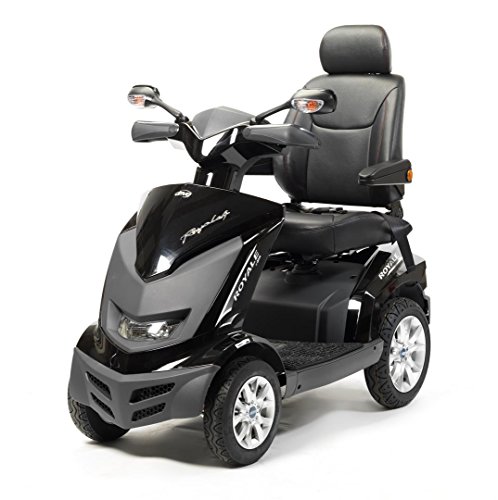 Most states permit scooters on bicycle lanes, and anywhere bicycles are mobility scooters allowed on road permitted. They aren't permitted to operate on highways, or roads with high speed limits. In addition they must wear helmets and reflective material to increase their visibility. Additionally, they should avoid from attaching themselves to moving vehicles or parking in areas that hinder emergency exits. Also, they should not operate motorized scooters under the influence of.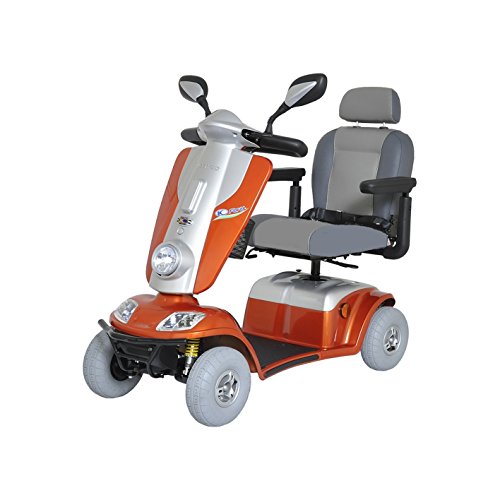
Some seniors utilize mobility devices to run around, which can eliminate the need for assisted living facilities. However, it is important to be aware of the laws and regulations of every state that govern their use.
Mobility scooters are to be operated on sidewalks and pedestrian walkways and must follow the same rules applicable to pedestrians. They must follow traffic signals and signs, give pedestrians the right of way and use audible warning devices to let other road users.
Arkansas
Arkansas has a few limitations on their use, despite a new law that makes them more common. First, it's illegal to ride on certain roads. This includes interstate highways and federal highways, but it also includes neighborhood roads. The users should therefore concentrate their journeys on local streets and paths. It is also crucial to observe all traffic laws while riding scooters. This includes obeying traffic signals and stopping at stop signs. It is also important to yield to pedestrians at crosswalks.
Mobility scooter riders should consider their own safety as well as the safety of other road users. They should wear helmets and maintain an appropriate speed when riding on public roads. They should also ensure that their scooters are kept in designated areas and don't hinder pedestrian traffic. In addition, they should report any problems with their scooters to the City via SeeClickFix.
Most states allow e-scooters be used 8mph mobility scooters second hand on any place where bicycles are permitted including streets and bike lanes. However some cities require they be used on sidewalks only if there isn't a bike path available and that pedestrians always have the right of way. A majority of states also require all scooter riders wear helmets.
California
In California, e-scooters are considered motor vehicles and are subject to the same rules and regulations as cars. Operators must be 16 years of age and hold a valid driver's license or learner’s permit. They must also adhere to traffic laws and wear helmets at all time. This is an important measure to ensure safety for scooter riders and pedestrians.
However, unlike other states, California does not require a scooter to be registered or insured as long as it has a motor of less than 750W, and can travel up to 20 miles per hour. Furthermore, scooters must have functional lights and reflectors for better visibility in low-light conditions. Scooters shouldn't also block access to loading zones or fire hydrants.
Mobility scooters can be used on sidewalks. However they must exercise particular care to ensure pedestrian safety. They must operate at an appropriate speed and be courteous to pedestrians in crosswalks. Additionally, they must obey traffic signals and always keep to the right-hand side of the sidewalk as is possible. They should not block or obstruct walkways, sidewalks or intersections. They should not also operate their scooters along state or interstate highways.
Illinois
Montana's laws permit mobility scooters to be used on walkways and sidewalks for pedestrians. This allows greater accessibility and freedom. They are not allowed to use them on public roads as they are designed to be used by pedestrians and can't handle the speed of vehicular traffic.
Tennessee law defines mobility scooters as electric Personal Assistive Devices (EPAMDs) which are similar to walkers and wheelchairs. This means that they are able to be used on sidewalks, walkways for pedestrians and designated pedestrian zones. Scooter riders must be aware of their surroundings, and follow any local rules that might be in place. For instance they must yield to pedestrians or use audible signaling when they are attempting to pass another pedestrian.
Illinois's laws regarding mobility scooters require that users wear a helmet, regardless of age, and be accompanied by someone older than 18. The state also requires that scooters be equipped with reflectors and lights to improve visibility and reduce accidents in low-light conditions.
Scooters must be located in designated areas. They should not interfere with pedestrian paths or hinder traffic. Operators must adhere to the same traffic rules that are applicable to bicycles, like obeying traffic signals and yielding to pedestrians. It is also recommended that users of mobility scooters undergo safety training to encourage responsible usage of these vehicles and reduce accidents.
Massachusetts
In Massachusetts, mobility scooters are classified as electric personal assistive mobility devices (EPAMDs) and do not require registration or insurance. However, users are still required to adhere to local traffic laws. This includes obeying traffic signals, maintaining a safe space from other vehicles and respecting pedestrians on sidewalks and pedestrian walkways.
EPAMDs can be operated on sidewalks. This is a convenient alternative for people with mobility issues. The state also requires that users maintain a walk-like speed when operating their scooters within pedestrian zones. This ensures they aren't a risk to others or impede traffic. In addition, EPAMDs should be equipped with functioning lights and reflectors to increase visibility in low-light conditions or during nighttime.
Virginia does not require drivers' licenses or insurances for mobility scooters. However users are advised to make sure they use their equipment using security precautions. This includes wearing a helmet, observing all traffic laws and regulations, and ensuring that the scooter is in good condition. Scooters can only be used on roads where the speed limit is 30 miles per hour or less. They must also stay as close as they can to the right of way and allow cyclists and pedestrians the right to use the right of way.
North Carolina
In North Carolina, a scooter is considered a motor vehicle if it is equipped with an engine that can mobility scooters use the road produce at minimum 50 cubic centimeters of displacement. It must also be able to reach speeds of 25 miles per hour and higher. A scooter that meets these requirements must also be insured and have a valid driving license. Despite these restrictions, most scooters and mopeds can you drive Mobility scooters On The road be legally operated in the state, as long as they are properly insured.
Mobility scooters can be used on sidewalks, other pedestrian walkways, as well as public spaces as long as they don't obstruct pedestrians or hinder access. It is important that riders are aware of their surroundings and be cautious in crowded areas. They should always give way to pedestrians and utilize crosswalks whenever they are appropriate. They should also adhere to the traffic and parking rules.
Many states have similar rules for mobility scooters. They might differ, however, in terms of age and licensing requirements, speed limits and whether helmets are required. It is advisable to learn about local laws so that you are able to ensure compliance.
Nevada
In Nevada Mobility scooters in Nevada are exempt from Department of Motor Vehicles (DMV) registration and licensing requirements. They are subject to state law for user safety and to ensure compliance with local traffic laws. Knowing these rules can allow users to feel confident in operating their scooters the proper manner and avoid possible penalties.
Specifically, the state's laws state that mobility scooters may be operated on sidewalks or pedestrian walkways. They are permitted to move at a speed similar to that of pedestrian traffic. They should be sure to yield the right of way to pedestrians and obey all traffic signs. This will promote safety for both users and pedestrians in pedestrian zones.
The statutes further state that mobility scooters must not be used on roads unless there are accessible sidewalks nearby. If this situation occurs the scooter must be operated close to the right curb or the edge of the road at a slower speed than normal traffic.
In addition to observing the laws of the state mobility scooters should also be fitted with safety features, including reflective and functional lights, to ensure safety in all situations. Nevada does not require helmets or specialized insurance, but users are encouraged to use them to ensure their security and comfort.
Wyoming
As more and more people rely on mobility scooters for daily transport, the need for a comprehensive set of state laws that govern their use is essential. These regulations will ensure that users of scooters have access to a secure and accessible environment while maintaining safety for everyone who walks on the sidewalk and on the roads. These rules should also encourage scooter maintenance to avoid accidents that could compromise user safety.
In general, laws that govern the operation and use of mobility scooters demand that users adhere to the same rules of traffic that apply to pedestrians. This includes respecting pedestrians' rights and taking caution when crossing streets. In addition, scooter drivers should keep a safe distance away from pedestrians and maintain a sensible speed to minimize any hazards.
Most states permit scooters on bicycle lanes, and anywhere bicycles are mobility scooters allowed on road permitted. They aren't permitted to operate on highways, or roads with high speed limits. In addition they must wear helmets and reflective material to increase their visibility. Additionally, they should avoid from attaching themselves to moving vehicles or parking in areas that hinder emergency exits. Also, they should not operate motorized scooters under the influence of.댓글목록
등록된 댓글이 없습니다.